
Call us now :08045812175
 Send Inquiry
Proteus K7 USB 3.1 Development Board
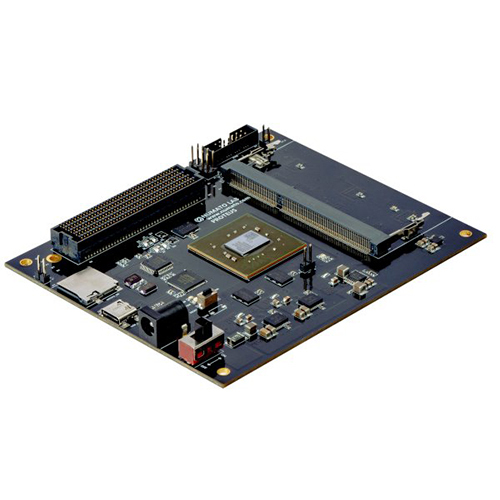

Proteus K7 USB 3.1 Development Board Specification
- Hole Size
- 0.3mm (Minimum)
- Voltage Endurance
- >500V
- Flame Resistance Level
- UL94-V0
- Soldermask
- Green, Both Sides
- Test
- E-test (Professional)
- Min. Line Width
- 0.15mm
- Impedance
- Controlled, 10%
- Min. Line Spacing
- 0.15mm
- Board Type
- Rigid
- Insulation Resistance
- >10^9
- Silkscreen
- White; Top and Bottom
- Product Type
- FPGA Development board
- Base Material
- FR4 Epoxy Glass
- Surface Finish
- ENIG (Electroless Nickel Immersion Gold)
- Copper Thickness
- 35m (1oz/ft)
- Board Thickness
- 1.6mm
- Color
- Green
- Panel Size
- 100mm x 120mm
- Sensor Switch
- Tactile Switch On-board
- Electrical Components
- High-Speed USB 3.1, FPGA, LEDs, Switches, Headers
- Number Of Layers
- 4
- Connectivity
- Gigabit Ethernet, UART, SPI, I2C
- RoHS Compliance
- Yes
- Operating Temperature
- 0C to +70C
- Expansion Interfaces
- Standard 2.54mm Pin Headers, PMOD Ports
- SRAM/DDR Interface
- On-board DDR3 RAM, 1GB
- Dimensions
- Approx. 100mm x 120mm
- FPGA Chip
- Xilinx Kintex-7 (XC7K325T)
- Clock Source
- 50MHz On-board Oscillator
- Programming Interface
- JTAG, USB
- User Interfaces
- 8 User LEDs, 4 Push Buttons, 4 DIP Switches
- Operating Voltage
- 5V DC Input
- USB Ports
- USB 3.1 Type-C and Micro USB
Proteus K7 USB 3.1 Development Board Trade Information
- Minimum Order Quantity
- 1 Unit
- Supply Ability
- 10 Units Per Day
- Delivery Time
- 1-4 Days
About Proteus K7 USB 3.1 Development Board
Features
- FPGA : AMD Kintex-7 XC7K160T FBG676 package (Other devices available at request)
- 4GB DDR3L SODIMM SDRAM M471B5173CB0-YK0 or compatible
- 128 MB QSPI flash memory (N25Q128A13ESE40E) for Configuration and optional data storage
- 1 x 100MHz CMOS oscillator, 1x 150MHz LVDS oscillator for users
- 2 x 150MHz LVDS oscillator for GTP
- USB 3.1 Gen 1 @ 5Gbps (USB Type-C connector)
- Onboard voltage regulators for single-power rail operation
- 12V DC power supply
- Maximum 130 IOs for user-defined purposes on FMC connector
- 8 x GTX lanes upto 6.6Gbps on ANSI/VITA 57.1 Standard-compliant FMC HPC connector
- Micro SD Card
- A Push Button for the reset pin
- JTAG header for programming and debugging.
- 1 RGB LED for custom use.
Applications
- Product Prototype Development
- Communication Device Development
- Accelerated Computing Integration
- Development and Testing of Custom embedded processors
- Signal Processing
- Educational tool for Schools and Universities
Robust FPGA Platform for Modern Applications
With its Xilinx Kintex-7 core and 1GB DDR3 RAM, the Proteus K7 USB 3.1 Development Board provides a scalable solution for resource-intensive processing, signal processing, and embedded applications. High-speed USB 3.1 and Gigabit Ethernet support enable rapid prototyping and deployment in various connectivity scenarios, making it ideal for both research and industrial projects.
User-Friendly Features and Expansion
The board ensures ease of development through accessible user LEDs, push buttons, and DIP switches for manual input and feedback. Standard 2.54mm pin headers and PMOD ports accommodate a wide range of expansion modules, providing developers with extensive flexibility for custom system design and testing.
FAQ's of Proteus K7 USB 3.1 Development Board:
Q: How can the Proteus K7 USB 3.1 Development Board be programmed?
A: You can program the Proteus K7 using JTAG or USB interfaces. It is compatible with Xilinx development tools that support the Kintex-7 (XC7K325T) series, enabling both onboard and external programmer connections for flexible development workflows.Q: What are the primary connectivity features of this FPGA development board?
A: The board offers a comprehensive suite of connectivity options, including USB 3.1 Type-C, Micro USB, Gigabit Ethernet, UART, SPI, and I2C-all tailored for high-speed data transfer and versatile communication with external devices or networks.Q: When is it beneficial to use the onboard DDR3 RAM, and what is its capacity?
A: The 1GB DDR3 RAM provides significant benefits during high-speed data processing and memory-intensive FPGA operations. It is particularly advantageous for real-time applications such as signal processing, image handling, and computation-heavy tasks.Q: Where can I expand the board's capabilities with additional modules?
A: Expansion is facilitated through standard 2.54mm pin headers and PMOD ports, allowing integration of various peripheral modules and custom interface circuits to match your specific project requirements.Q: What process is involved in interfacing with user inputs and indicators?
A: The board features 8 user LEDs, 4 push buttons, and 4 DIP switches. You can interact with these user interfaces through your FPGA design logic, providing input control or visual outputs as part of your project's operational workflow.Q: How does the Proteus K7 ensure reliability and safety for users?
A: This development board is RoHS compliant and has a UL94-V0 flame-resistance rating. It features an ENIG surface finish for enhanced durability, controlled impedance, and high insulation resistance, making it robust for both laboratory and industrial environments.Q: What advantages does the USB 3.1 interface offer over standard USB connections?
A: USB 3.1 provides significantly faster data transfer rates compared to standard USB interfaces. This benefits high-bandwidth applications, reduces programming times, and streamlines communication with PCs or other host devices.Tell us about your requirement

Price:
Quantity
Select Unit
- 50
- 100
- 200
- 250
- 500
- 1000+
Additional detail
Mobile number
Email

More Products in FPGA Boards Category
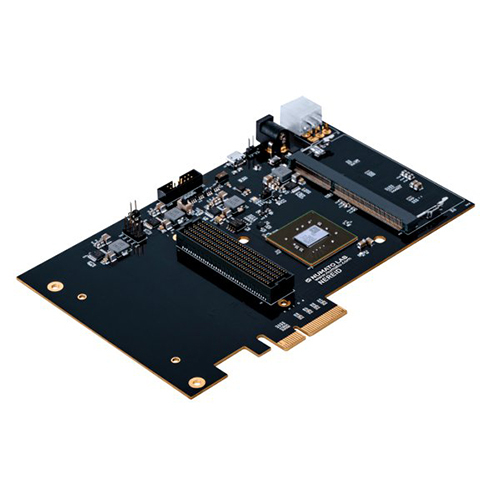
Nereid K7 PCI Express FPGA Development Board
Price 110000 INR / Unit
Minimum Order Quantity : 1 Unit
Product Type : FPGA Development board
Base Material : FR4
Board Thickness : 1.6 mm
Insulation Resistance : >10^12
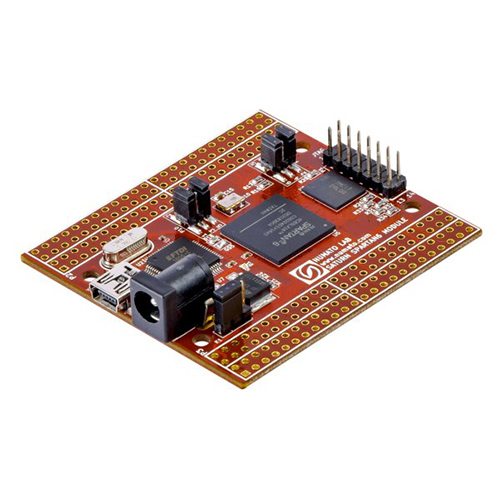
Saturn S6 FPGA Development Board with DDR SDRAM
Price 19800 INR / Unit
Minimum Order Quantity : 1 Unit
Product Type : FPGA Development board
Base Material : FR4
Board Thickness : 1.6mm
Insulation Resistance : >10^12
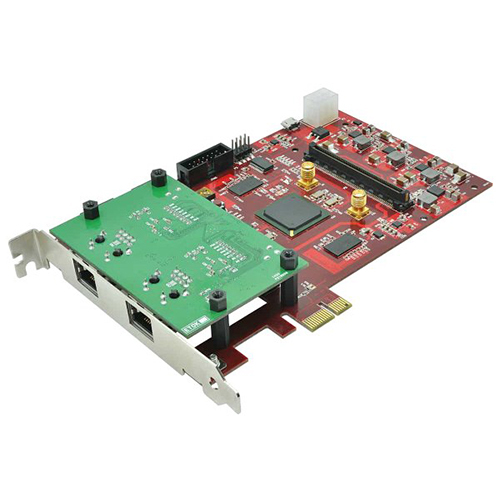
Galatea PCI Express S6 FPGA Development Board
Price 30030 INR / Unit
Minimum Order Quantity : 1 Unit
Product Type : FPGA Development board
Base Material : FR4
Board Thickness : 1.6 mm
Insulation Resistance : >10^12
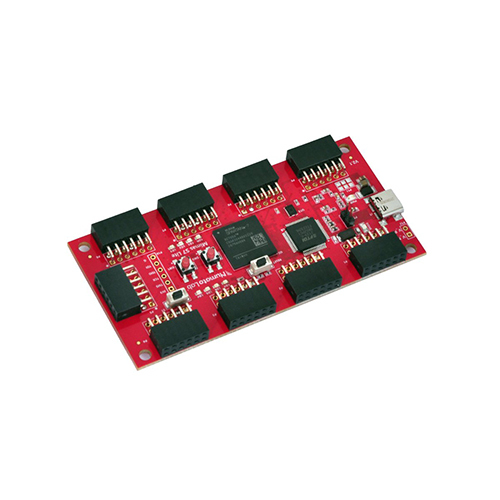
Mimas S7 Lite
Price 11000 INR / Unit
Minimum Order Quantity : 1 Unit
Product Type : FPGA Development board
Base Material : FR4
Board Thickness : 1.6 mm
Insulation Resistance : >10^12


 Send Inquiry
Our Products


H No 2-3-54, Co-Operative Bank Colony, Road No. 6, Nogole,Hyderabad - 500068, Telangana, India

Mr Suneel
Mobile :08045812175
 Send Inquiry
 Send SMS
 Call Me Free
Developed and Managed by Infocom Network Private Limited.
